The usual routes
- Gutters and downpipes that leak, overflow or are blocked, so water runs down the wall. Heritage guidance from Cadw and from Northern Ireland both single these out.
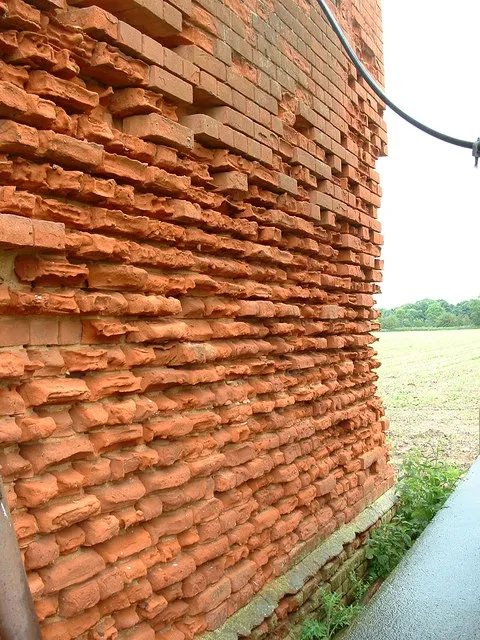
- Pointing that has washed out, and bricks or stone with their faces flaking off, like the wall in the photo above.
- Cracked, blown or failed render.
- Windows and doors where the seal between frame and wall has failed, or where the sill sends water back at the wall.
- Chimney stacks, flashings and roof edges.
- Ground built up against the wall, or paving that slopes towards it. Overflowing rainwater that soaks in at ground level is often mistaken for rising damp.
How to trace it
Go outside in the rain, ideally with someone indoors watching the patch. Look at where water is running, where it is overflowing, and where it sits on the wall. Check the wall above the patch, not just beside it: water can travel a long way inside a wall before it shows. This is the order we work in as well, tracing the route before anything is repaired.
Fix the outside first
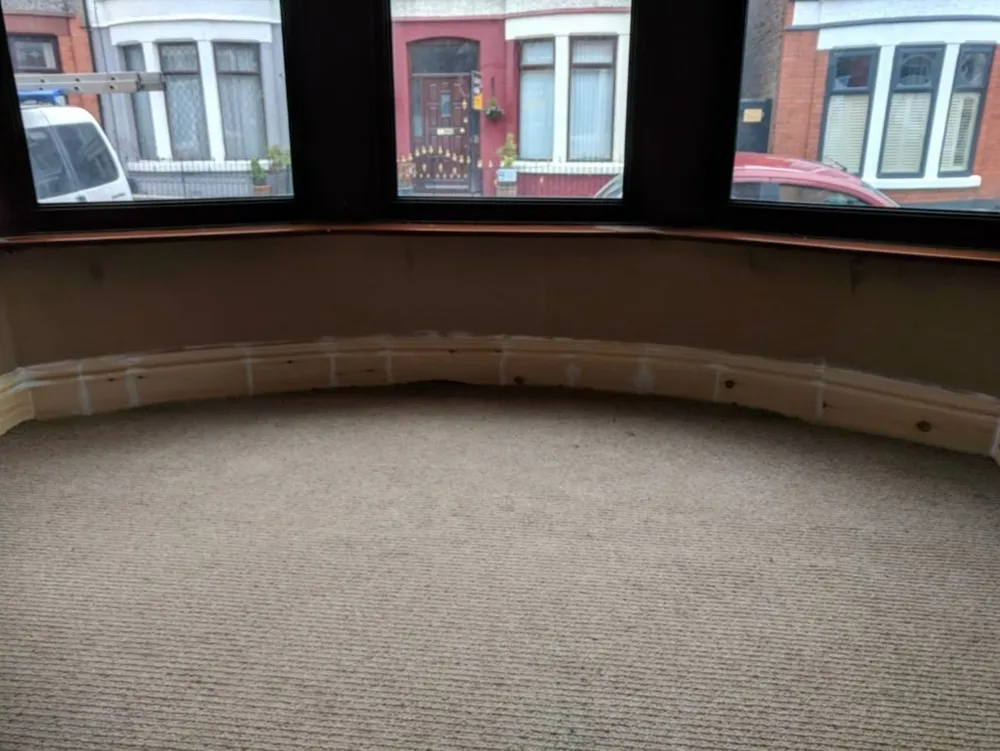
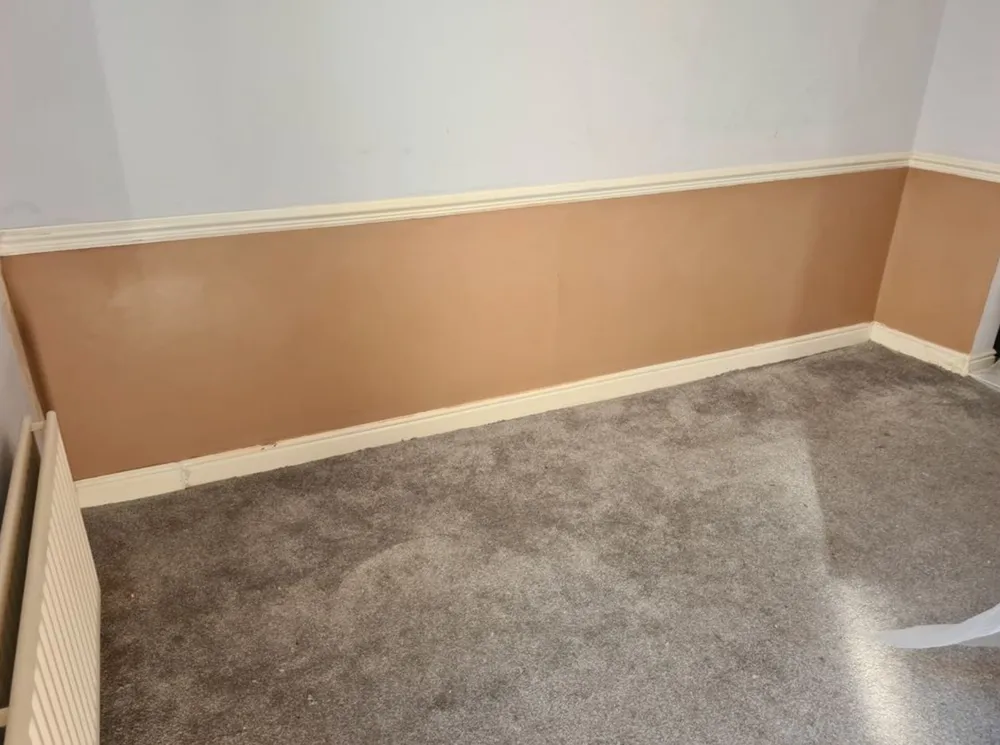
Clear and repair the rainwater goods, fix the cracked render or failed pointing, reseal the window, deal with the ground level. Then let the wall dry before anything is done inside. Replastering a wall that is still being rained on just brings the patch back.
On older houses be careful what the repair is made of: West Suffolk's conservation guidance warns that replacing soft lime mortar with hard cement mortar traps moisture in the brick.
In the Wirral, Liverpool and Wrexham
The older brick and sandstone houses of Heswall, Birkenhead, Liverpool, Wrexham and Ruabon all have walls that take up rain, and the most common calls we get about penetrating damp are for a leaking gutter or failing pointing high on a wall that has been getting wet for years. A photo of the patch, and of the wall above it, helps us a lot.