Why bedrooms in particular
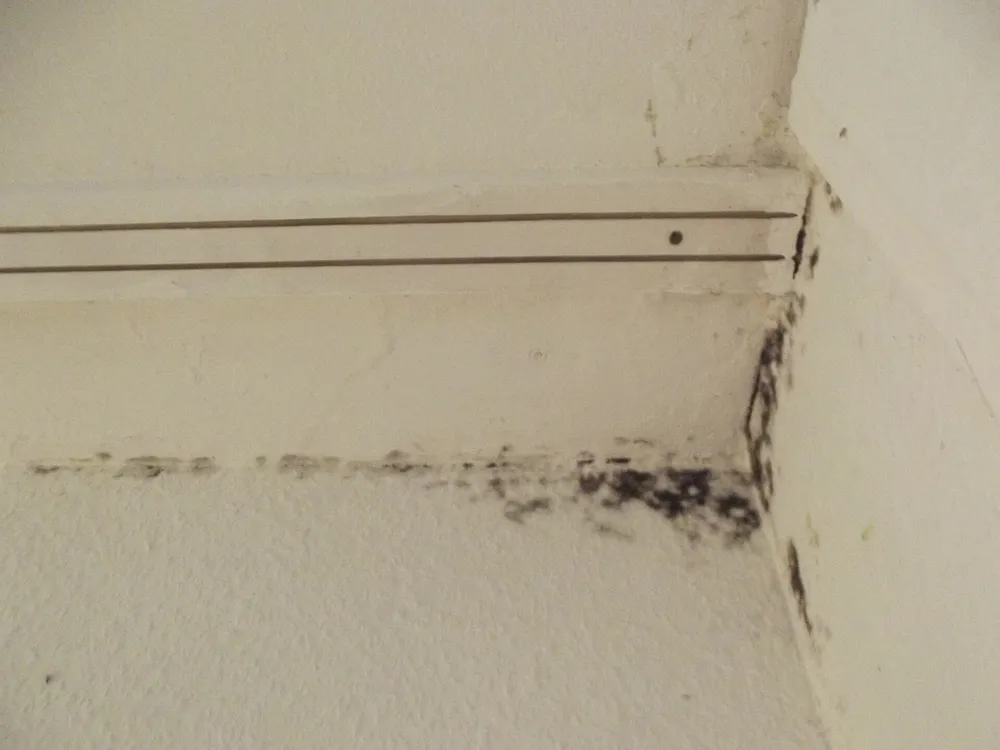
People breathe out moisture all night. With the door and window shut, that moisture has nowhere to go, and it settles on the coldest surface in the room. Add washing dried on a radiator, a wardrobe pushed against an external wall, and heating that is off through the day, and you have the conditions mould needs.
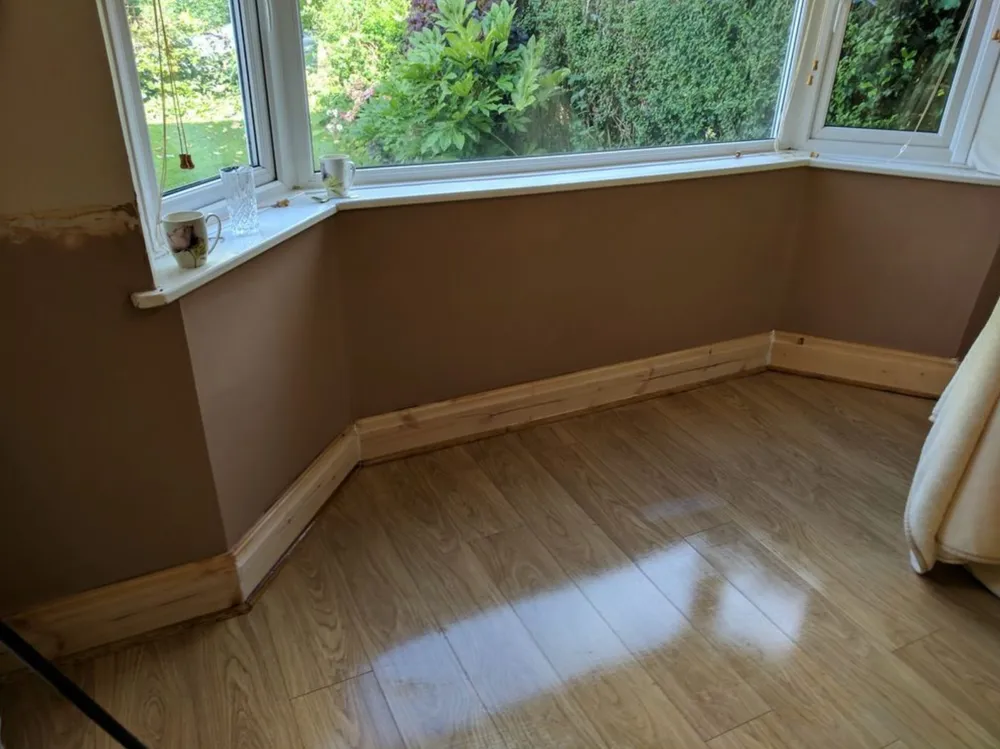
It shows up in the same few places: the top corners of external walls, behind the bed head and the wardrobe, the window reveal and the window sill, and the ceiling above a cold wall.
What helps, in order of how much difference it makes
- Ventilate in the morning. Open the window wide for a few minutes after you get up, and open the trickle vents if the window has them.
- Keep wardrobes and beds a hand's width from external walls so air can move on the cold surface.
- Do not dry washing in the bedroom, and keep the door closed while you shower so steam does not drift in.
- Keep a low, steady heat on rather than heating in short bursts. A warmer wall holds less condensation.
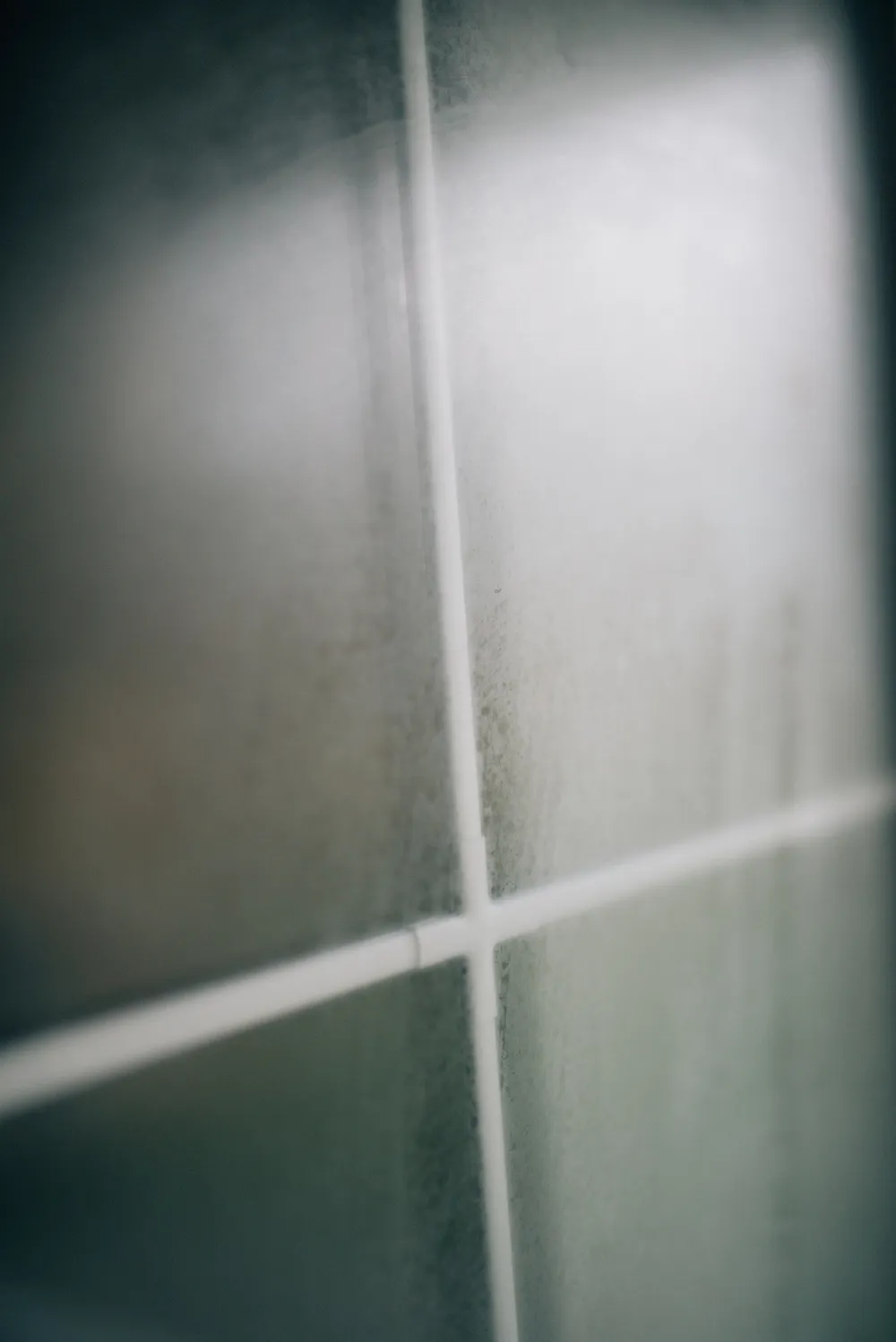
- Wipe the water off windows and sills in the morning.
- If you use a dehumidifier it will take moisture out of the air and help, but only while it runs.
When it is not condensation
If the mould is on a wall that is damp to the touch after rain, it is more likely penetrating damp, from a gutter, a downpipe, a cracked render or a window. If it follows the line of the chimney breast, the chimney can be the way water gets in. And if it is low on the wall with salts and a tide-mark, that points to rising damp, though that is the rarest cause of the three. A moisture meter alone cannot tell them apart, because salts in the wall can give a high reading even where there is no active damp.
Finding which one it is comes before choosing the repair, which is the reason we survey first.
Why it is such a local complaint
Many of the bedrooms we are asked about are in solid-walled Victorian and Edwardian houses, in the terraces of Birkenhead, Liverpool and Wrexham and the older houses of Heswall and the west Wirral. A solid wall has no insulating cavity, so the inside face of an external wall stays cold in winter, and a bedroom with the window shut at night is the setting where that shows. If you are renting in Wrexham, note that Wales has its own rules for rented homes, separate from the English guidance below.
If you have tried the habits above for a winter and the mould still returns, send us a photograph. It might be something a different habit will not fix.