Signs a cellar has a water problem
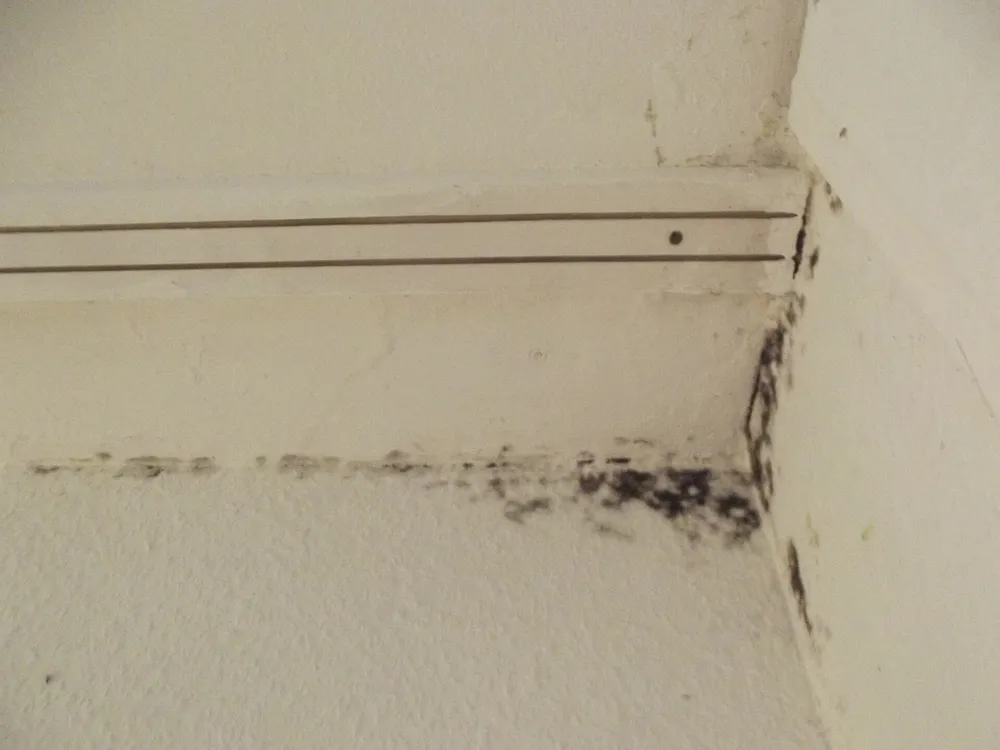
- Damp, dark patches on the walls or floor, often worse after heavy rain.
- White, powdery salts on the masonry as the moisture dries out.
- Paint or plaster that blisters, flakes or crumbles.
- A musty smell that does not go when you air the room.
- Standing water on the floor, or a damp line that rises with the weather.
- Stored boxes, books and furniture that go soft, rust or mould.
Damp is not the same as water pressure
A cellar that is a little damp, with no running or standing water, is a different problem from one where water is being pushed through the wall or floor by the ground around it. The first can often be dealt with by dealing with the source (a blocked drain, a leaking downpipe, ground built up against the wall). The second needs a waterproofing system, because the water has real pressure behind it.
The three ways to waterproof a basement
The British Standard for basement waterproofing, BS 8102, which the Building Regulations point to, describes three types of protection:
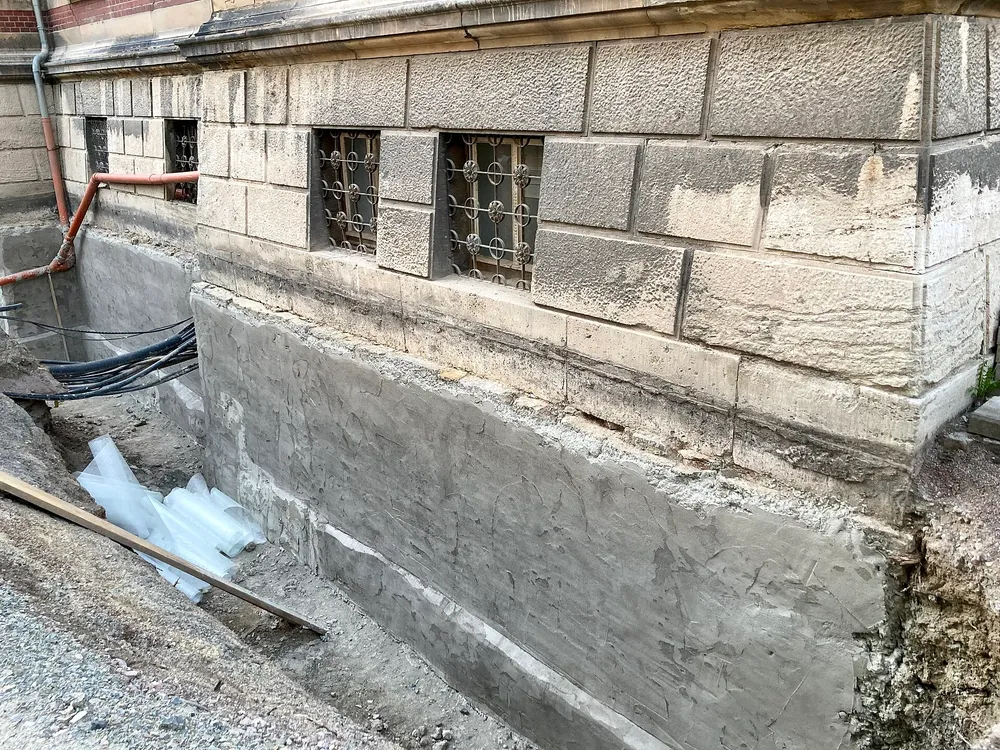
- Type A, barrier protection (tanking): a coating or membrane applied to the walls and floor, in our case a cementitious tanking slurry, which stops water at the surface of the masonry.
- Type B, structural protection: the structure itself is made watertight, which is mostly a matter for new build and not for retrofitting a Victorian cellar.
- Type C, drained protection: a cavity drain membrane that accepts water coming through the wall and leads it to a sump or drain, so the water is managed instead of blocked.
What decides which one
Two things: the water pressure on the walls and floor, and what the room will be used for. Storage can tolerate a little moisture. A habitable conversion, such as a playroom, a gym or a bedroom, needs a drier standard, and the standard grades basements by how dry the finished space has to be. The system and its details are chosen to match, which is why we look at the cellar and how you want to use it before recommending anything.
Note that turning a cellar into living space is likely to need building regulations approval, so check with your local authority building control before you start.
Cellars in Liverpool, the Wirral and North Wales
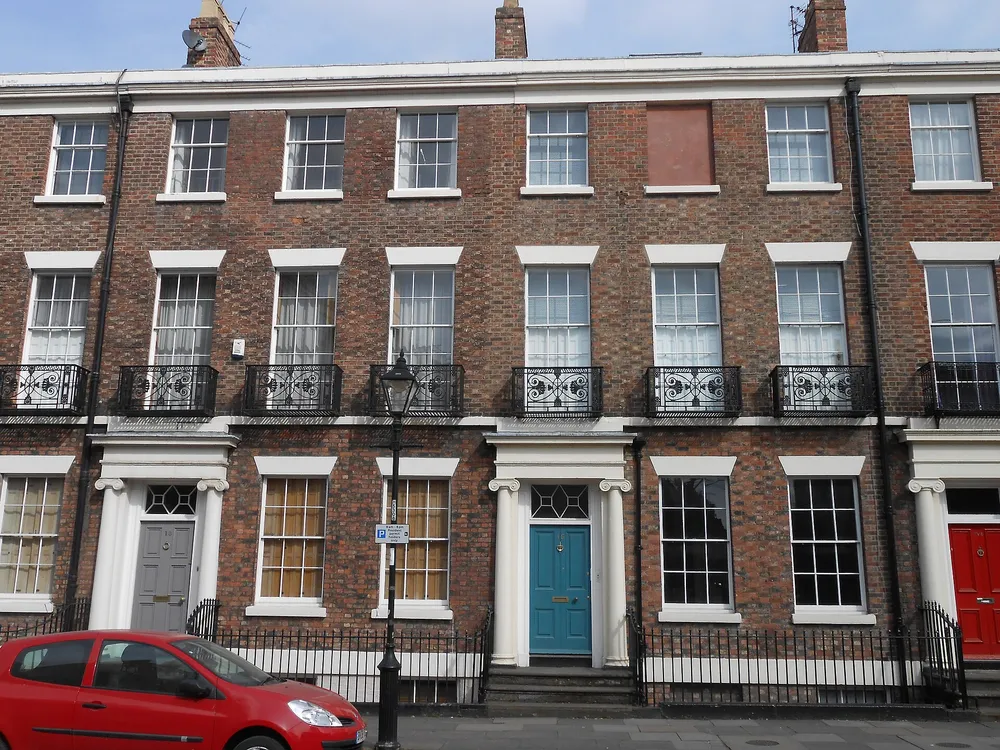
Cellars are common in the older terraces and larger Victorian houses of Liverpool, and in the villas and terraces of Birkenhead, Wallasey and the Wirral. Victorian terraces make up a large share of Liverpool's older housing. Liverpool and the Wirral both sit on New Red Sandstone, which was widely used as a building stone in the area, and cellar walls in those houses are often stone or old brick. Those materials are porous, which is part of why a cellar there takes up water more easily than a modern concrete basement does.
We work across Liverpool, the Wirral and the Wrexham area, so if you have a cellar that is wet and you want to use it, send us a photograph of the wall and the floor and we will tell you what we would want to look at first.